
Kenya tests grid charges for direct power purchases
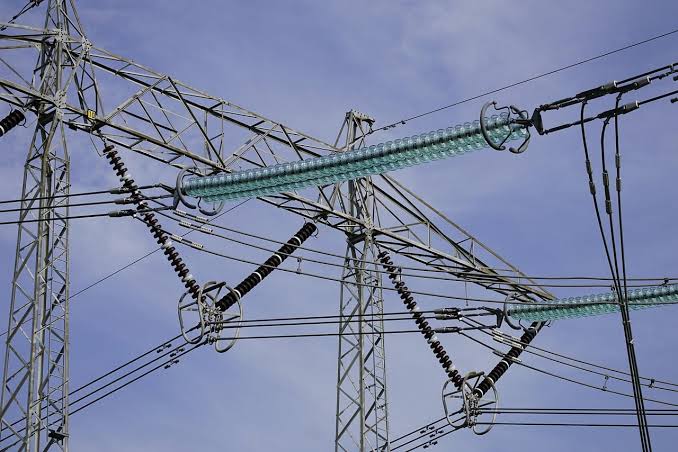
Kenya’s energy regulator has started testing how it could charge companies that buy electricity directly from producers and use the grid to receive it. At a 16–17 November workshop in Machakos, the Energy and Petroleum Regulatory Authority (EPRA) examined ways to set those charges under Kenya’s electricity market and open-access regulations. The UN Economic Commission for Africa, which helped organise the workshop, reported the results on 19 November. It described a proposed tariff model being tested through simulations.
Open access gives eligible companies a route to negotiate a power purchase agreement with a generator. The contract sets the commercial terms for the electricity itself. A separate charge pays for using the transmission or distribution system to deliver it. For a manufacturer comparing a private offer with its existing supply, both prices matter. A competitive rate at the plant can lose its advantage once the cost of using the network is included. The buyer’s consumption pattern also matters if the generator supplies only part of its demand.
The workshop examined how to divide network costs between generators and buyers and whether to charge for reserved capacity or for the electricity actually moved. A capacity charge would make the size of the connection a larger factor in the bill. An energy-based charge would vary with use. The technical team also considered whether charges should reflect location, voltage and the time of delivery. A broadly uniform tariff would simplify price comparisons, while a location-based approach could give developers a clearer financial reason to connect where the network has room.
The framework also matters to companies that operate the grid. They still have to maintain lines and substations as customers diversify where they buy power. The tariff needs to allocate those costs without pricing eligible buyers out of the market. Metering and settlement will determine what each party pays in practice. A contract has to account for how much power the generator delivers, what the customer draws and who covers any shortfall. EPRA has identified the grid’s ability to support those transactions as a condition for implementing open access
Kenya published its electricity market, bulk supply and open-access regulations in May. The National Assembly extended its period for considering the instrument in October. The work in Machakos addressed a subsequent practical question for buyers and lenders: what a private electricity contract will cost once delivered through the grid. The next documents to watch are the tariff methodology and the rules that will turn metered deliveries into bills. Those are the inputs companies need to compare offers and finance projects against contracted sales.

Related coverage
Ghana’s fourth-quarter tariff freeze leaves 2027 pricing open
Ghana kept electricity tariffs steady for the fourth quarter of 2026 after higher projected currency and inflation costs were offset in the…
Nigeria ties payment for free electricity meters to delivery and installation
Nearly 4.56 million active electricity customers in Nigeria still lacked meters at the end of October, according to figures released by the…
Ogun seeks to bring industrial power networks into its state electricity market
Nigeria’s Ogun State is consulting on rules that would bring private power networks serving three industrial areas into its regulated electricity market.…