
Nigeria ties payment for free electricity meters to delivery and installation
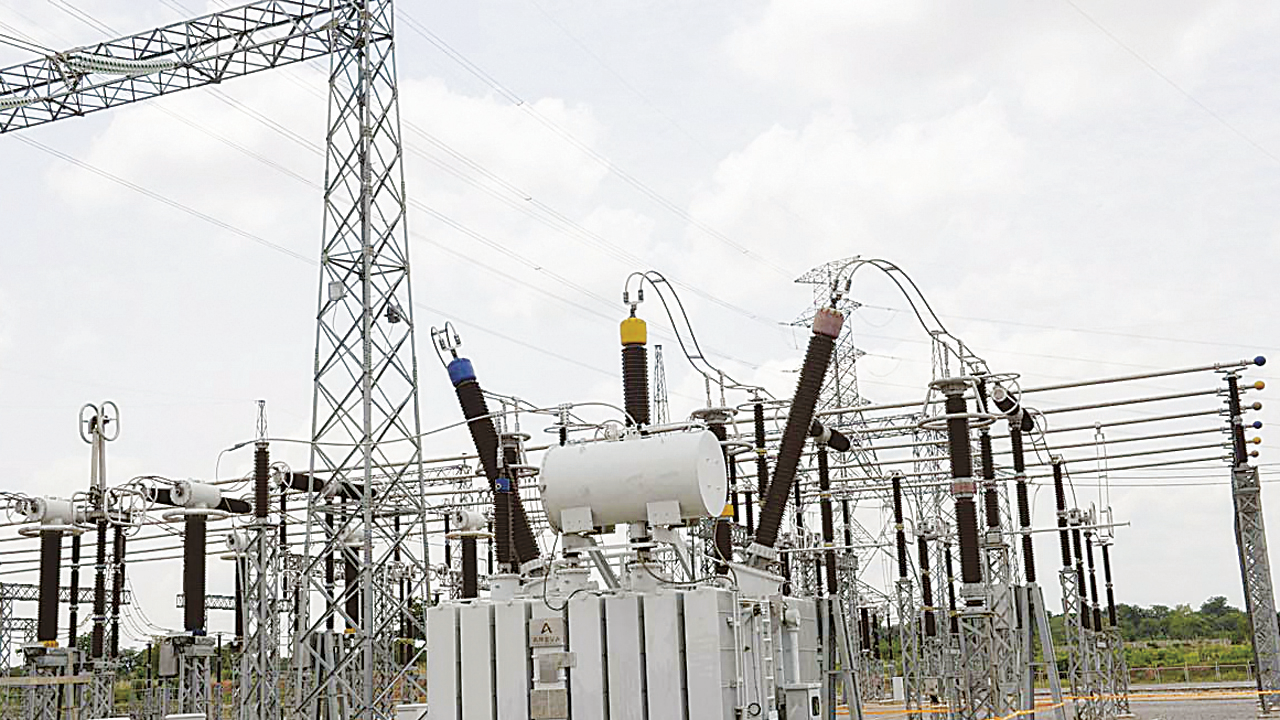
Nearly 4.56 million active electricity customers in Nigeria still lacked meters at the end of October, according to figures released by the Nigerian Electricity Regulatory Commission (NERC) on 26 November. The national metering rate reached 64.69%, up from 63.99% in September. The figures provide a baseline for the next tranche of a federal metering programme. Under that tranche, NERC has approved ₦30 billion, roughly US$22 million, and linked payments to evidence that equipment has been delivered and installed.
The order took effect on 2 November. It allocates funds across 11 distribution companies in proportion to their contributions to the Meter Acquisition Fund. It gives priority to metering the remaining unmetered Band A customers and accelerating installations for Band B. Customers covered by the tranche are to receive their meters and installation free of charge. NERC requires the devices to carry the distributor’s name, the relevant tranche and a notice that they are unavailable for sale.
For suppliers, the financing terms are part of the tender economics. A qualifying local manufacturer, assembler or meter asset provider can receive 70% of the contract sum after verified delivery of stock. To access that payment, it must provide a performance bond from a licensed Nigerian commercial bank for 5% of the contract value. The remaining 30% falls due after verification that the entire contracted quantity has been installed. Suppliers therefore need to price equipment, field installation and the working capital required to carry those obligations until final payment.
Distributors also have obligations that can affect how quickly suppliers are paid. They must provide network clearance and accurate customer information. Where the distributor’s failure prevents installation, the regulator can impose a penalty equivalent to the cost of the uninstalled meters. The order also sets maximum procurement prices based on median bids from September’s national online bidding cycle. The combination gives distributors a price benchmark while leaving suppliers to assess whether the contract covers installation across the territory they are bidding for.
The pace varies across distribution companies. NERC put Eko’s October metering rate at 91.68%, well above the national average. Nationally, distributors installed meters for 144,694 additional customers in October, compared with 162,455 in September. Both months precede the effective date of the order. All installations under Tranche C are due by 31 May 2027. From here, the figures that will show how the orders translate into progress are verified installations by distributor and how the rollout narrows the remaining gaps.

Related coverage
Ghana’s fourth-quarter tariff freeze leaves 2027 pricing open
Ghana kept electricity tariffs steady for the fourth quarter of 2026 after higher projected currency and inflation costs were offset in the…
Ogun seeks to bring industrial power networks into its state electricity market
Nigeria’s Ogun State is consulting on rules that would bring private power networks serving three industrial areas into its regulated electricity market.…
NERSA reviews who pays for South Africa’s electricity distribution networks
South Africa’s energy regulator is reviewing how electricity distributors calculate the cost of serving their customers and turn those costs into tariffs.…