
Ghana’s fourth-quarter tariff freeze leaves 2027 pricing open
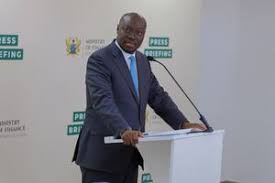
Ghana kept electricity tariffs steady for the fourth quarter of 2026 after higher projected currency and inflation costs were offset in the regulator’s overall calculation. In November, Public Utilities Regulatory Commission executive secretary Shafic Suleman said the same variables, alongside fuel costs and the mix of hydro and thermal generation, would feed into tariff decisions for 2027. The fourth-quarter decision gives businesses a known rate through December. The regulator’s November comments set out how it will assess the next period.
The quarter-end decision followed increases elsewhere in the year. The Ghana News Agency reported that the combined effect of the 2026 adjustments amounted to an electricity tariff increase of about 8.4%, despite the zero adjustment for the final quarter. A business planning next year’s costs therefore starts from the current tariff schedule, which incorporates earlier changes. Its actual electricity spend will also depend on consumption and the charges applied to its customer category.
Generation costs explain part of the fourth-quarter outcome. The commission projected that hydropower would account for 24.25% of the electricity covered by its hydro and thermal calculation, up from 20.90% in the third-quarter assumptions. It attributed the increase to higher projected deliveries from Akosombo. The weighted average cost of gas used for the review also fell to about US$7.84 per million British thermal units from about US$7.97. With less thermal output in the projected mix and a lower blended gas cost, the model faced less pressure from fuel than it otherwise would have.
The exchange rate moved in the other direction. A weaker cedi raises the local-currency cost of expenses linked to the US dollar. The commission’s method compares actual figures with earlier assumptions and can account for amounts that utilities recovered above or below what the model allowed. That allows changes from one review period to influence the next. For tariff planning, the exchange rate used by the regulator and the dates it covers matter alongside the exchange rate businesses see on any given day.
The commission has also called on utilities to improve collections. That matters because the approved rate determines what a distributor can bill, while collections determine how much cash it has to operate and pay suppliers. Suleman cited spending by the Electricity Company of Ghana on transformers, cables and other distribution equipment when discussing service reliability in 2027. The coming tariff review will show how the regulator weighs the latest cost assumptions. Network performance and collections will help determine how much benefit customers see in the service they receive.

Related coverage
Nigeria ties payment for free electricity meters to delivery and installation
Nearly 4.56 million active electricity customers in Nigeria still lacked meters at the end of October, according to figures released by the…
Ogun seeks to bring industrial power networks into its state electricity market
Nigeria’s Ogun State is consulting on rules that would bring private power networks serving three industrial areas into its regulated electricity market.…
NERSA reviews who pays for South Africa’s electricity distribution networks
South Africa’s energy regulator is reviewing how electricity distributors calculate the cost of serving their customers and turn those costs into tariffs.…