
Ogun seeks to bring industrial power networks into its state electricity market
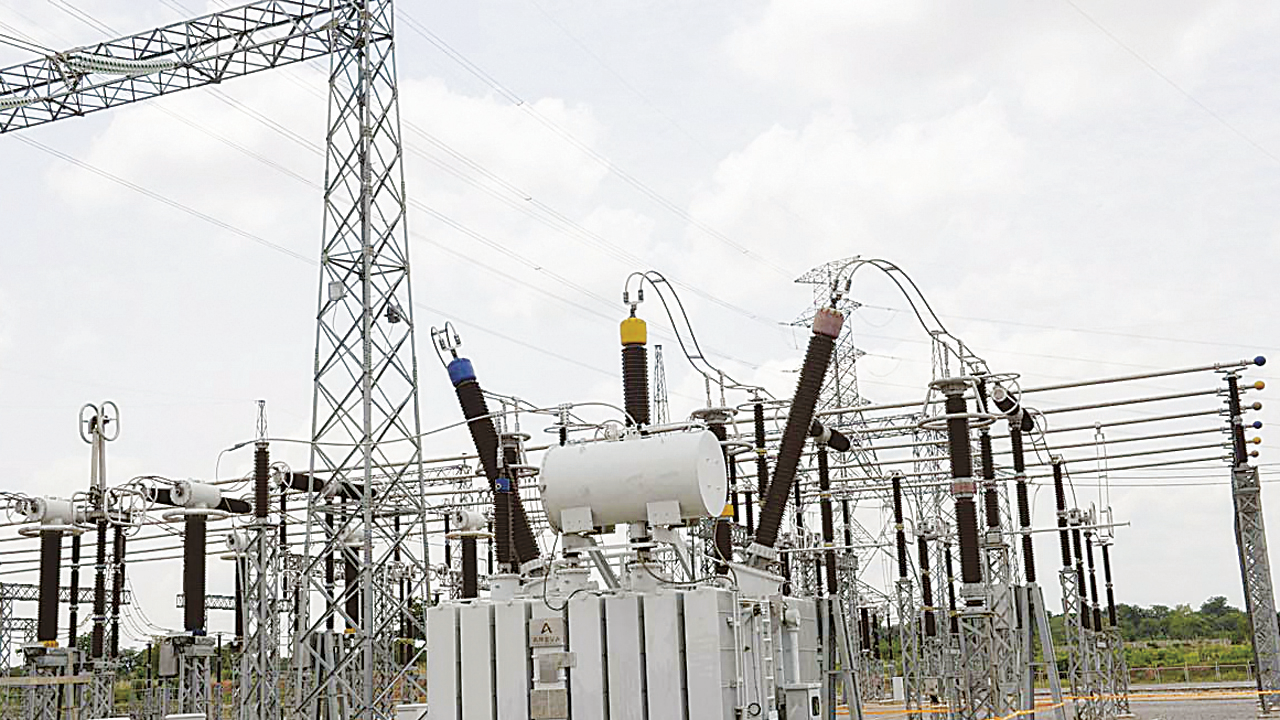
Nigeria’s Ogun State is consulting on rules that would bring private power networks serving three industrial areas into its regulated electricity market. The draft covers Sagamu Interchange, Ota and Agbara, where some companies distribute electricity without a licence. It also proposes rules for a state grid and for the recovery of gas costs at generators connected to it. The state regulator published the draft on 16 November, with written submissions due on 30 November and a hearing scheduled for 3 December in Abeokuta.
The regulator says some of the industrial networks run alongside the licensed distributors’ lines and serve factories whose power supply could be disrupted by an abrupt disconnection. Its proposal would give their operators a route to keep serving those customers. An operator could bring its lines into the licensed distributor’s network as a third-party investment and continue running them under contract. The other options in the draft are to sell the network to the distributor or exit. The transition provisions would allow existing customers to receive supply on frozen terms while the arrangements are worked out.
Under the investment option, the operator would retain ownership of its lines. The regulator would determine how much of the investment was eligible for recovery, subject to a cost cap per kilometre. The draft provides for recovery in 42 monthly instalments after a six-month moratorium, together with an operating and maintenance charge. The amount recognised will matter to both sides. It determines how much the operator can recover and how much of that investment can be passed through the licensed network.
The gas provisions address a different risk. The draft would put payments to gas suppliers for grid-connected generators first in a prescribed payment order administered by a competitively appointed private entity. For gas suppliers, priority could improve confidence that they will be paid when funds are collected. The strength of that protection still depends on how much money reaches the account. The regulator would decide what gas costs could be recovered through electricity prices under the proposed framework.
The draft follows a federal transfer of oversight and a separate state order under which the Ogun regulator began operations on 2 November. For factories already served by a private network, the immediate questions are who would hold the supply contract, how charges would be calculated and which party would be responsible during an interruption. The December hearing gives customers, distributors and private operators a chance to raise those issues before the commission decides what to adopt.

Related coverage
Ghana’s fourth-quarter tariff freeze leaves 2027 pricing open
Ghana kept electricity tariffs steady for the fourth quarter of 2026 after higher projected currency and inflation costs were offset in the…
Nigeria ties payment for free electricity meters to delivery and installation
Nearly 4.56 million active electricity customers in Nigeria still lacked meters at the end of October, according to figures released by the…
NERSA reviews who pays for South Africa’s electricity distribution networks
South Africa’s energy regulator is reviewing how electricity distributors calculate the cost of serving their customers and turn those costs into tariffs.…