
Impact completes South African asset sale and concentrates its portfolio on Namibia
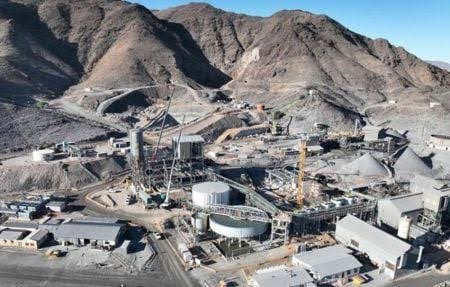
Impact Oil & Gas completed the sale of its South African licence-holding subsidiary on 12 November, leaving the Venus oil discovery offshore Namibia at the centre of its portfolio. The buyer was Impact Energies, a subsidiary of Deepkloof, Impact’s majority shareholder. The sale transferred Impact Africa Limited and related assets after the required regulatory and joint venture approvals. Impact retained its 9.5% participating interest in each of Namibian Blocks 2912 and 2913B.
The transaction separates the direct South African licences from the Namibian assets. Impact also retained its approximately 20% shareholding in Africa Energy Corp., which has exposure to the Brulpadda and Luiperd gas-condensate discoveries off South Africa. Meren Energy, an investor in Impact, said its effective interest in Venus was unaffected. The ownership distinction matters because the South African business was sold to an entity controlled by Impact’s majority shareholder and will operate separately from Impact itself.
The reorganisation follows a separate change in the Venus partnership. In September, TotalEnergies completed an asset exchange that brought Galp into the Venus licence, PEL 56, with a 10% interest. TotalEnergies remains operator with 35.25%, QatarEnergy holds 35.25%, and Namibia’s national oil company NAMCOR holds 10%. Impact’s 9.5% interest was retained. In the same exchange, TotalEnergies took operatorship of the licence containing Mopane, another Orange Basin discovery with its own appraisal and investment timetable.
For Impact, a more concentrated portfolio puts greater weight on the terms and timing of the Venus development. Impact’s November announcement said the joint venture was working towards a final investment decision. Bloomberg reported in October that Namibia and TotalEnergies were still negotiating the terms of development. A government report published in November likewise described the decision as subject to outstanding commercial agreements. Those negotiations sit alongside the operator’s engineering and contracting work.
For Namibia, the schedule matters because the project could establish the country as an oil producer. For the partnership, the investment case depends on the cost of developing the field, the terms agreed with the government and the amount of production the facilities can deliver. A 9.5% participating interest describes Impact’s share of the licence. The value and timing of proceeds will depend on the terms of development and the field’s eventual operating performance.
The South African sale is complete. The next milestone that would change the outlook for Impact’s Namibian business is a Venus investment decision supported by agreed commercial terms and a development schedule. Until the partnership sets out that programme, the November transaction tells investors where Impact is concentrating its resources and how much of the licence it retains.

Related coverage

Afentra targets January 2027 first oil from Impala-2 as Angola drilling order changes
Afentra expects first oil from Impala-2 in January 2027, with initial gross production of about 4,000 barrels a day. The well was…

Ghana’s Nya Gyidie discovery opens a new target for deepwater exploration
Planet One Oil & Gas has found hydrocarbons in a carbonate reservoir offshore Ghana, opening a different exploration target in a country…
Mozambique’s ENH takes an offshore drilling role at Coral North
Eni and its partners have started drilling and completing development wells for Coral North, Mozambique’s second floating liquefied natural gas project. The…