
Egypt’s Nefer Benban secures up to US$127 million for solar and storage

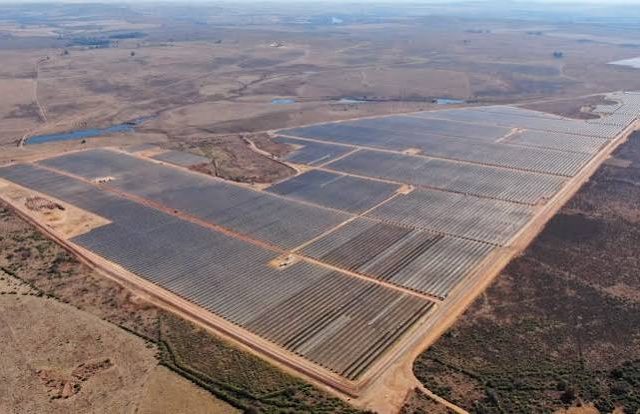
Infinity Power and HAU Energy have secured up to US$127 million in debt for Nefer Benban, a solar and battery project near Aswan. The package, announced on 10 November, will support a 258.5 MWp photovoltaic plant and a 120 MWh battery. A 25-year purchase agreement with the Egyptian Electricity Transmission Company gives the project a long-term buyer for electricity generated at the site. weareinfinitypower.com
Germany’s development finance institution DEG is providing US$63.5 million, half of the announced package.
The European Bank for Reconstruction and Development is providing up to US$56 million from its own balance sheet. Up to US$7.5 million in concessional funding from the Clean Technology Fund covers the rest of the EBRD-led portion. The borrower is Nefer Benban for Renewable Energy, a project company owned by Infinity Power and HAU Energy. weareinfinitypower.com
The November package follows a separate US$65 million construction bridge loan that the EBRD agreed with HAU Energy in April. The bridge was arranged at sponsor level to support development and construction. The later package was announced for the company that will own the plant. The disclosures identify the two borrowers and the purpose of each facility, while leaving the bridge repayment terms and the timing of drawdowns out of the public announcement. ebrd.com
For the Egyptian grid, the battery changes when the project can deliver. A solar plant without storage supplies most of its output in daylight. At Nefer Benban, the battery is designed to hold some of that electricity for the evening peak, when output from the panels is falling. The 120 MWh figure describes how much energy the system can store. The length of an evening delivery depends on how quickly the battery is discharged. The public financing announcement does not specify that operating schedule. www.ebrd.com
The location also gives the project a precedent. The original Benban solar park was completed in 2019 with development-finance backing. It demonstrated that several private developers could raise capital and build projects at one site. Nefer Benban uses the same established location for a more complex procurement. The solar plant, battery and controls will have to work together under the operating requirements of the national transmission company. Egypt’s experience at Benban now extends from financing solar generation to financing when some of that generation can be delivered. documents1.worldbank.org
The purchase agreement gives lenders a long-term counterparty. The next details to watch are the contractual delivery requirements and the timetable for connection and testing. The sponsors and lenders have disclosed the capital structure and the intended use of the battery. Their November announcements leave the commercial operation date and the evening delivery commitments unspecified. Those details will determine when the transmission company can begin scheduling power from the site after dark.

Related coverage

AfDB backs US$125 million fundraising drive for distributed energy
A solar distributor can deliver a system today and collect the price in monthly instalments. While those payments come in, the distributor…
Ilikwa solar expansion reaches financial close with five- to ten-year power deals
The second phase of the Ilikwa solar plant near Parys reached financial close in November with a feature that matters to South…
FMO weighs €146.5 million debt package for Senegal’s Tamba Solar
Nearly two years after signing a power purchase agreement with Senegal’s national utility, Tamba Solar is seeking long-term debt for its project…