
FMO weighs €146.5 million debt package for Senegal’s Tamba Solar
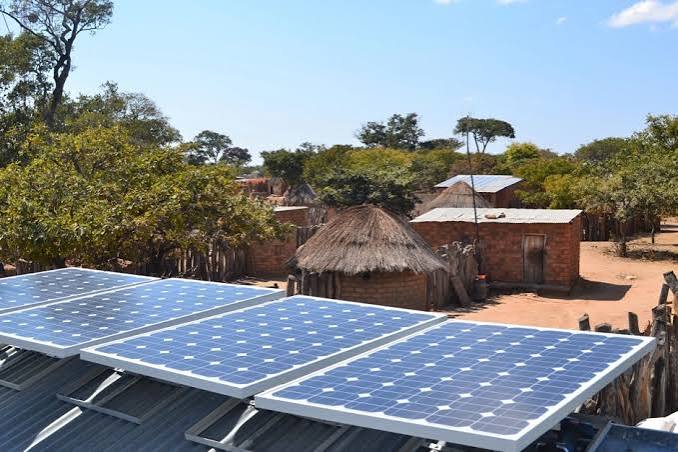
Nearly two years after signing a power purchase agreement with Senegal’s national utility, Tamba Solar is seeking long-term debt for its project in Tambacounda. Dutch development bank FMO disclosed on 4 November that it was considering arranging up to €146.5 million, about US$165 million. FMO could provide up to €89 million of that amount from its own resources and is looking to other development lenders for the balance. www.fmo.nl
Taranis mandated FMO to lead the financing. The project company is 90% owned by Taranis through its Senegalese holding company, with local partner Amar Energies holding the remaining 10%. The proposed senior debt would cover the solar plant, its battery system and the infrastructure needed to connect them to the grid. Financing the connection alongside the plant brings that work within the scope of the transaction lenders are assessing. www.fmo.nl
The project pairs 100 MWp of solar capacity with a 60 MW battery rated to store 180 MWh. At its rated power, that represents three hours of discharge. For Senelec, the value of that capacity will depend on when the contract allows it to call on the battery and how often the project can recharge it. FMO confirmed the duration of the power purchase agreement and its sovereign guarantee, while leaving the tariff and battery dispatch terms undisclosed. www.fmo.nl
A transaction elsewhere in Senegal offers a point of comparison. In March, AXIAN Energy announced financial close on €72 million of debt, roughly US$81 million at the November reference rate, for its 60 MWp NEA Kolda solar plant and 72 MWh battery in Casamance. FMO helped arrange that package alongside the Emerging Africa and Asia Infrastructure Fund, with DEG also participating. Tamba’s proposed package covers a different site, a larger battery and its own grid connection. The two headline debt figures reveal little about their respective tariffs or cost per unit of electricity delivered. Financial close NEA Kolda.docx
Senegal’s national energy compact puts renewable sources at 29% of electricity generation in 2024 and targets 40% by 2030. Storage projects such as Tamba can help the utility accommodate more daytime solar generation if the grid can accept the power and the storage is available when needed. At the project level, FMO identifies construction safety, economic displacement and effects on local access to natural resources among the issues to manage before and during delivery. worldbank.org
FMO’s disclosure lists 3 January 2027 as the end of its comment period. The next commercial milestone is a decision on the proposed loan, followed by confirmation of the lenders that would fund the balance. Until then, the most concrete commitment remains the 25-year purchase agreement Senelec signed in December 2024

Related coverage

AfDB backs US$125 million fundraising drive for distributed energy
A solar distributor can deliver a system today and collect the price in monthly instalments. While those payments come in, the distributor…
Ilikwa solar expansion reaches financial close with five- to ten-year power deals
The second phase of the Ilikwa solar plant near Parys reached financial close in November with a feature that matters to South…
Jindal signs first loan for Botswana’s Mmamabula power project
Jindal Power has signed a loan of approximately US$500 million for the Mmamabula coal power project in Botswana, according to its transaction…