
Angola ties Jamba la Oma hydro procurement to external financing
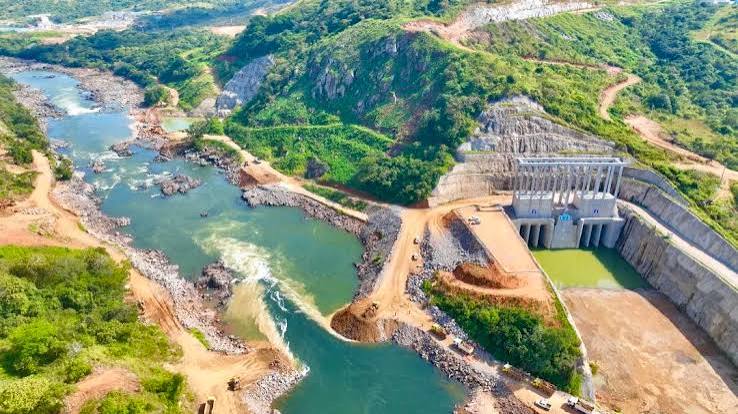
Angola has authorised US$569.9 million in spending for the Jamba la Oma hydroelectric development in Huíla province, linking procurement to external financing from Standard Bank entities in South Africa and Angola. The October presidential order opened a simplified procedure for the public works contract. Angola’s official gazette indexed a correction to the order on 24 November. The publicly accessible entry identifies the document being corrected, but does not reproduce the amended wording.
The original order delegates responsibility for approving the procurement documents and verifying the contracting process to the minister of energy and water. The government’s explanation explicitly links the simplified route to the source of financing. It identifies the two banks and states the authorised amount. The public summary leaves the loan tenor, price and drawdown conditions open, alongside the name of the eventual works contractor and the construction schedule. presents Jamba la Oma as a project for irrigation, livestock, power generation and regulation of river flows. Each of those uses places a different demand on the reservoir, especially in the dry season, when the water retained for one purpose may limit how much can be made available for another.
That operating question matters for both the power and agricultural cases. A reservoir can retain water for periods of high demand, but power output depends on the volumes available for release and the operating rules agreed for the site. Irrigation users will need to know how much water will be available and when. The October public summary gives neither an installed generating capacity nor a water allocation plan. The authorised expenditure therefore cannot yet be assessed against a verified cost per megawatt, expected annual generation or an irrigation service target.
The project also sits within a wider effort to strengthen water storage and management in southern Angola. In its assessment for a separate water-security programme, the World Bank identified recurrent drought and limited storage among the region’s vulnerabilities. For Jamba la Oma, the commercial question is how the works contract divides a multipurpose development into deliverable obligations, including the dam, generating equipment and facilities that will serve water users. Those details will also determine how progress can be measured once construction starts.
The October authorisation establishes a spending figure and procurement route. The next documents to watch are the terms of the November correction, the signed works contract and the financing conditions that govern when money can be drawn. Together, they would show what has been ordered, how the project will be financed and when Huíla can expect the first services.

Related coverage
Malawi’s Mpatamanga hydro project moves into contractor selection
Mpatamanga Hydro Power Limited set 13 November as the application deadline for initial contractor selection on its hydropower project in southern Malawi.…
DRC commits US$30 million towards Mbombo hydro project near Kananga
The Democratic Republic of Congo has announced a US$30 million state contribution to start the Mbombo hydroelectric project near Kananga, the capital…
Gabon. Kinguélé Aval entre en phase d’essais après son raccordement au réseau de Libreville
Le poste électrique de la centrale hydroélectrique de Kinguélé Aval est raccordé à la ligne de 225 kV qui alimente le réseau…