
DRC commits US$30 million towards Mbombo hydro project near Kananga
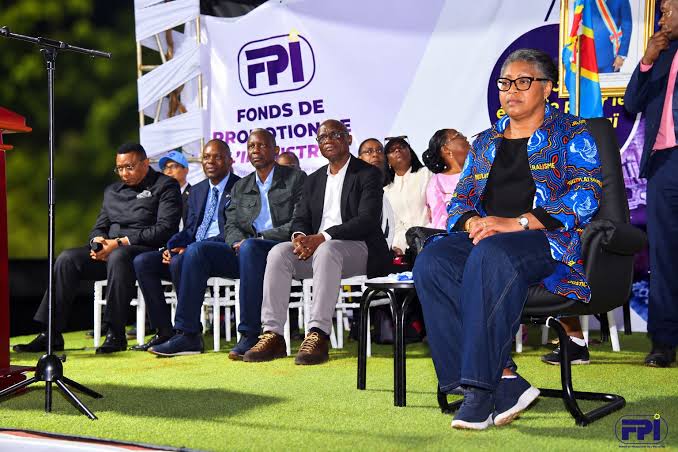
The Democratic Republic of Congo has announced a US$30 million state contribution to start the Mbombo hydroelectric project near Kananga, the capital of Kasaï-Central. Prime Minister Judith Suminwa made the announcement during an October visit, and her office published details on 3 November. The planned 20 MW station would be built on the Lulua River, about 15 kilometres from the city. The government estimates the full project will cost US$120 million
The contribution, to be made through the Industry Promotion Fund, would cover a quarter of that estimate. The government wants private investors to participate through a public-private partnership. Its announcement specified how much the state intends to contribute and why it is committing the money at this stage. It did not name the parties expected to cover the remaining US$90 million or indicate how much would come from equity and debt. The announcement also gave no disbursement schedule for the public contribution.
The organisations behind Mbombo made a separate change in October. The rural and peri-urban electrification agency ANSER and the Industry Promotion Fund installed the permanent leadership of Hydro Mbombo SAS, the project company. ANSER also named the Strategic Investment Fund as a participant in the financial structuring. The project company will have to turn those institutional arrangements into construction contracts, a workable funding schedule and a plan for selling the electricity.
Kananga has already seen the cost of depending on a limited set of generators. In January, Radio Okapi reported that the city had gone more than a month without electricity before national utility SNEL received two generators with a combined rating of 1,000 kVA. A hydro plant on the Lulua would give the area a new source of supply. For households and businesses to use it, the project also needs a line to bring electricity into Kananga and a distribution network capable of delivering it reliably.
ANSER describes 20 MW as the initial capacity and identifies a possible extension to 40 MW. The first stage will have to demonstrate that water conditions, construction costs and local demand support the investment. The allocation of responsibility for the connection and the identification of a buyer for the output will matter to any lender considering the project. Those terms remain to be set out in the public documents.

Related coverage
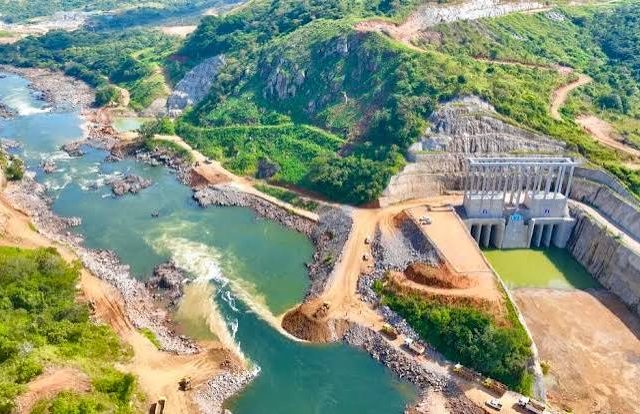
Angola ties Jamba la Oma hydro procurement to external financing
Angola has authorised US$569.9 million in spending for the Jamba la Oma hydroelectric development in Huíla province, linking procurement to external financing…
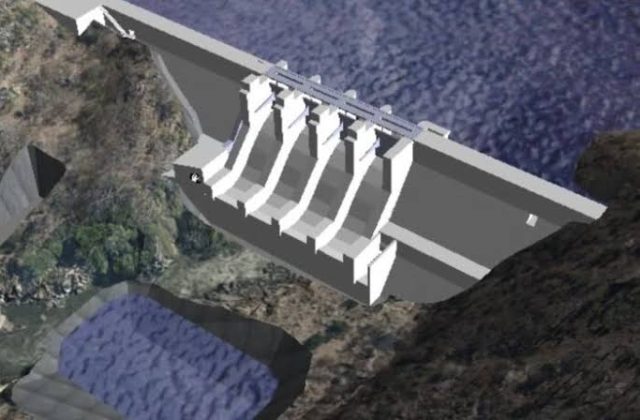
Malawi’s Mpatamanga hydro project moves into contractor selection
Mpatamanga Hydro Power Limited set 13 November as the application deadline for initial contractor selection on its hydropower project in southern Malawi.…
Gabon. Kinguélé Aval entre en phase d’essais après son raccordement au réseau de Libreville
Le poste électrique de la centrale hydroélectrique de Kinguélé Aval est raccordé à la ligne de 225 kV qui alimente le réseau…