
Zambia and Zimbabwe face a smaller water budget for Kariba hydropower
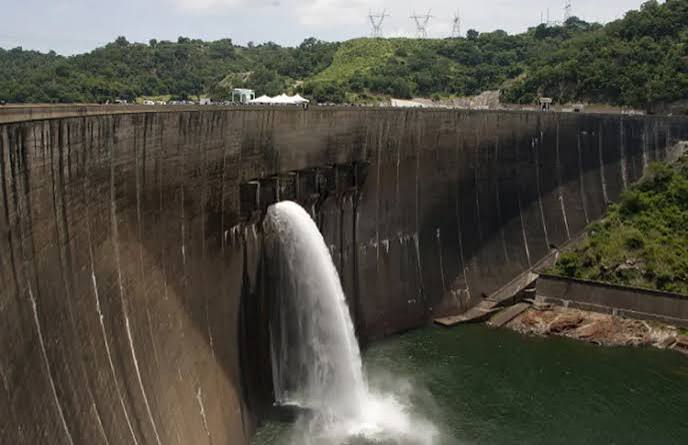
Lake Kariba held 29.05% of its usable storage on 23 November, up from 7.13% on the same date last year. Even with that improvement, Zambia and Zimbabwe are preparing to generate electricity with less water in 2027. The Zambezi River Authority told Zambia’s electricity minister that the two utilities would receive a combined allocation of 23 billion cubic metres, down from a revised 36 billion in 2026, according to a 25 November report by Zimbabwe’s Herald.
Zambia’s ZESCO and Zimbabwe Power Company are each due to receive 11.5 billion cubic metres. The authority cited the prospect of weaker inflows linked to El Niño. Its 23 November bulletin put the lake at 479.62 metres above sea level and said it was still receding. In the ministerial briefing, the authority projected that usable storage could fall to about 22.9% by year-end if inflows follow forecasts and both utilities remain within their current allocations.
The figures describe two different things. Usable storage measures how much water is available within the reservoir’s operating range on a given date. The annual allocation governs how much of that water the two utilities can release for power generation. A healthier starting level gives the reservoir more room to absorb a weak rainy season. A smaller allocation allows the authority to preserve some of that margin if the rivers feeding the lake deliver less water than expected.
Kariba North Bank in Zambia has 1,080 MW of installed capacity, and South Bank in Zimbabwe has 1,050 MW. The annual water budget will shape how intensively both plants can run. Operators can concentrate releases in hours of high demand, but keeping more turbines on for longer draws down the allocation faster. For large electricity users, the useful figures to watch are the hours for which the utilities can schedule hydro output and the cost of replacement power when those schedules tighten.
The dam’s rehabilitation is progressing on a separate timetable. The authority reported a spillway milestone in September and was targeting year-end completion of the second refurbishment phase. Those works protect the structure that both countries rely on. The amount of electricity available from the lake over the coming months will still depend on rainfall, inflows and how the utilities manage their releases.
The change from 36 billion to 23 billion cubic metres gives both utilities a tighter starting point for their 2027 supply plans. The next readings will show whether inflows are tracking the authority’s assumptions. The same briefing indicated that the authority would continue monitoring conditions and updating the utilities as the season develops. herald

Related coverage
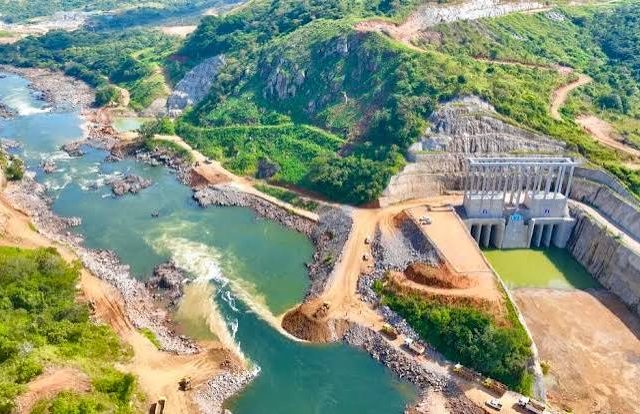
Angola ties Jamba la Oma hydro procurement to external financing
Angola has authorised US$569.9 million in spending for the Jamba la Oma hydroelectric development in Huíla province, linking procurement to external financing…
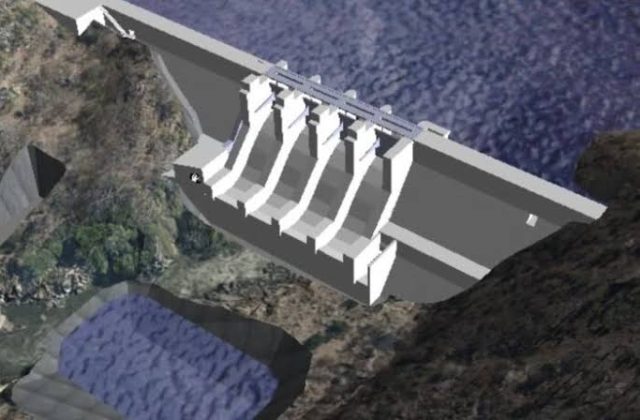
Malawi’s Mpatamanga hydro project moves into contractor selection
Mpatamanga Hydro Power Limited set 13 November as the application deadline for initial contractor selection on its hydropower project in southern Malawi.…
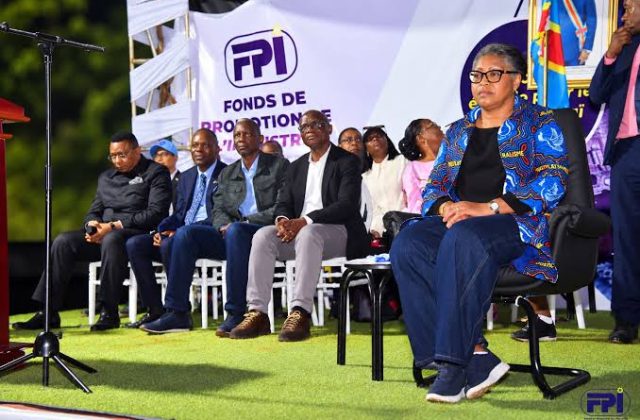
DRC commits US$30 million towards Mbombo hydro project near Kananga
The Democratic Republic of Congo has announced a US$30 million state contribution to start the Mbombo hydroelectric project near Kananga, the capital…