
Ilikwa solar expansion reaches financial close with five- to ten-year power deals
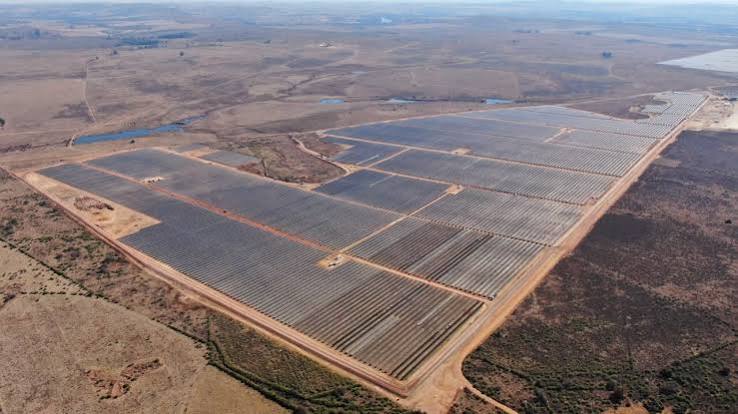
The second phase of the Ilikwa solar plant near Parys reached financial close in November with a feature that matters to South African electricity buyers. Mainstream Renewable Power will sell the output to multiple commercial and industrial customers under contracts lasting five to ten years. The developer announced the financing on 11 November, four months after the first 50 MW entered commercial operation. The extension will add 27 MW in the Free State. www.mainstreamrp.com
Investec is the financing partner and will hold a 30% equity stake, with Mainstream holding 70%. The first phase used the same ownership structure, with Investec also providing funding. Repeating that arrangement gives the partners a second project at a site where they already have operating experience. Terra Firma, which was selected for engineering, procurement and construction, will deliver the extension. Mainstream expects it to enter commercial operation in the fourth quarter of 2027. Mainstream Renewable Holdings AS
The sale of power to several customers changes how the project earns its revenue. Mainstream’s licensed trading business can assemble demand from different companies instead of relying on one customer to absorb the contracted output. The five- to ten-year terms let buyers commit for a period closer to their own planning cycles. In return, the trader has to manage contracts expiring at different times. Losing or replacing a buyer changes the volume it has to resell and the price it can achieve. www.mainstreamrp.com
Ilikwa will deliver through wheeling arrangements. A business can buy electricity generated in the Free State while continuing to draw power at a site elsewhere on the interconnected network. The grid operator accounts for the contracted supply using metered data and applies the relevant network charges. For the buyer, the economics therefore depend on the delivered cost and on how closely generation matches consumption over the billing period. Contracting for solar power also leaves the customer needing supply when its consumption exceeds the amount credited from the plant. sapvia.co.za
The project’s financial close was followed on 17 November by A.P. Moller Capital’s acquisition of Mainstream’s South African business. The acquisition covered a portfolio with 148 MW of operating assets and 27 MW in construction, as well as projects at earlier development stages. Ilikwa gives the new owner an expansion already under construction and a trading model with customers under contract. A possible battery at the site is a separate investment Mainstream is considering. Mainstream Renewable Holdings AS
When the extension starts delivering, attention will turn to whether Mainstream can use the same combination of bank finance, shorter contracts and wheeling on subsequent projects. At Ilikwa itself, the near-term test is construction and grid delivery. The longer-term test comes when the first customers are due to renew and the trader has to place that output again.

Related coverage
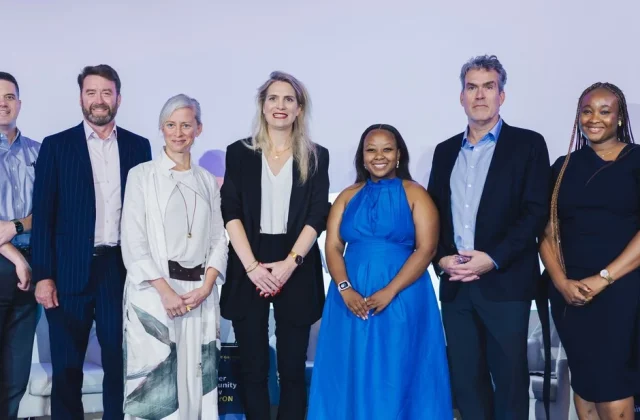
AfDB backs US$125 million fundraising drive for distributed energy
A solar distributor can deliver a system today and collect the price in monthly instalments. While those payments come in, the distributor…
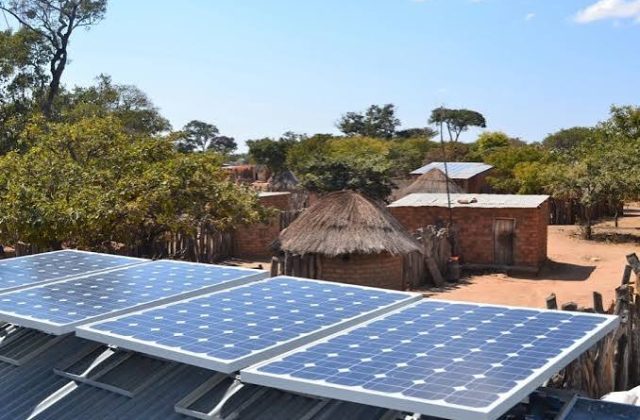
FMO weighs €146.5 million debt package for Senegal’s Tamba Solar
Nearly two years after signing a power purchase agreement with Senegal’s national utility, Tamba Solar is seeking long-term debt for its project…
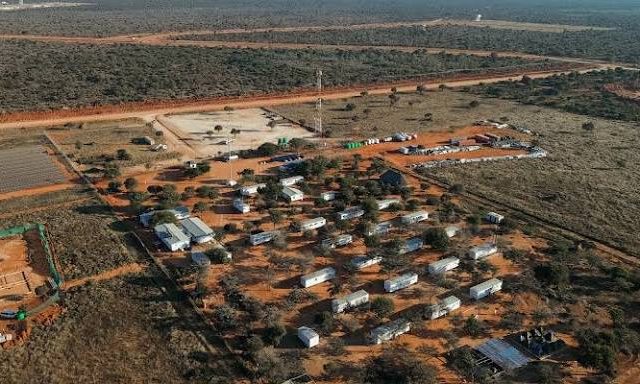
Jindal signs first loan for Botswana’s Mmamabula power project
Jindal Power has signed a loan of approximately US$500 million for the Mmamabula coal power project in Botswana, according to its transaction…