
Mozambique's Coral Norte FLNG advances as MODEC takes mooring contract
The Coral Norte floating liquefied natural gas (FLNG) project offshore Mozambique has reached another construction milestone, with Japanese engineering firm MODEC confirming it will supply the interna...
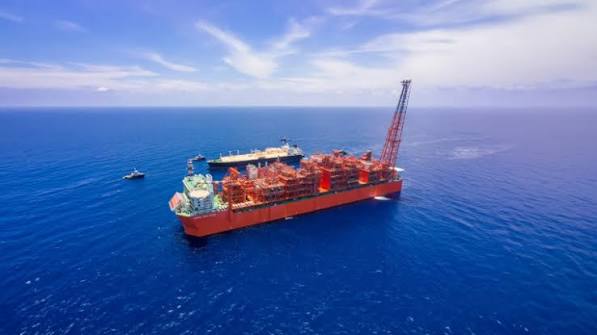
The Coral Norte floating liquefied natural gas (FLNG) project offshore Mozambique has reached another construction milestone, with Japanese engineering firm MODEC confirming it will supply the internal turret mooring system for the vessel, in a development that keeps the project on track for first production in 2028.
MODEC said on 24 June 2026 that it will provide the mooring system under a partnership with the Technip Energies-JGC joint venture building the facility. The system allows the production vessel to rotate with wind and waves while remaining anchored, a function the firm noted is particularly important in the Rovuma Basin, where strong currents and challenging sea conditions complicate offshore operations. MODEC previously supplied the mooring system for the Coral Sul FLNG, and the Technip Energies-JGC venture said that earlier work established the operational foundation that Coral Norte now builds on.
The project is operated by Eni through the Mozambique Rovuma Venture, in which the Italian company holds 50% alongside China's CNPC (20%), South Korea's Kogas (10%), Mozambique's state oil company ENH (10%) and ADNOC's subsidiary XRG (10%). The consortium took the final investment decision in Maputo on 2 October 2025, in a ceremony attended by President Daniel Chapo, and shipbuilders launched the hull at a South Korean yard in January 2026. The development is estimated to cost around $7-billion.
Once operational, Coral Norte will produce 3.6-million tonnes of LNG per year, almost double the output of its sister vessel Coral Sul, which has operated in the Rovuma Basin since 2022. Together the two floating units will lift Mozambique's LNG output above 7-million tonnes per year, making it the third-largest LNG producer in Africa. Eni has said the project, leveraging design replication and lessons from Coral Sul, is expected to deliver schedule, cost and execution advantages.
The progress is most significant for what it sidesteps. Mozambique's gas sector has been shadowed since 2021 by an insurgency in Cabo Delgado province that forced operators to suspend onshore projects.
TotalEnergies halted its $20-billion Mozambique LNG development in Area 1 under force majeure and only restarted activities earlier this year, with first production not now expected before 2029; ExxonMobil's onshore Rovuma LNG has likewise been delayed. Coral Norte, by contrast, sits far offshore and processes gas at sea, insulating it from the land-based security threats that stalled its onshore peers, a structural advantage that has allowed it to progress steadily while the larger projects waited.
The economic stakes are substantial for one of the world's poorest countries, where GDP per capita was around $657 in 2024 by World Bank figures. A 2025 Standard Bank study estimated that full development of the Rovuma Basin could generate $11-billion a year in economic benefits and create 151,000 direct and indirect jobs by 2035. Eni has separately put Coral Norte's projected tax revenues at about $23-billion over its life and local-company contracts at around $3-billion.
Those projections, however, describe a basin developed in full, a condition that still depends on the onshore mega-projects overcoming the security and execution problems that floating LNG was designed to avoid. Coral Norte secures incremental, reliable capacity; the larger prize remains contingent on a peace and a delivery record Mozambique has yet to establish onshore.