
Nigeria’s LNG expansion depends on delivery of upstream gas projects
Nigeria’s ambition to increase LNG exports is placing greater emphasis on the gas fields and infrastructure needed to supply its expanding liquefaction capacity. Nigeria LNG’s Train 7 project is de...
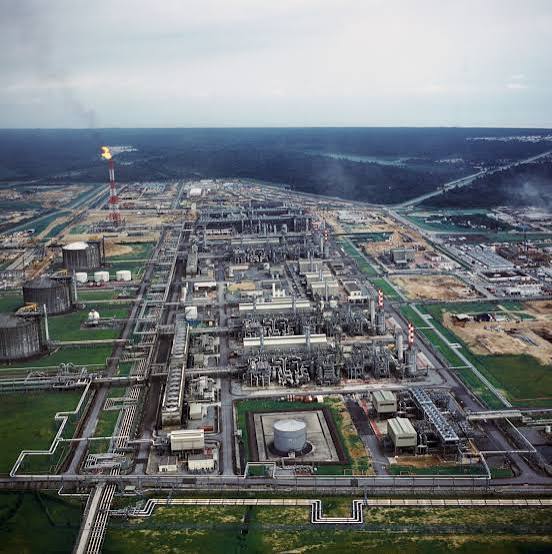
Nigeria’s ambition to increase LNG exports is placing greater emphasis on the gas fields and infrastructure needed to supply its expanding liquefaction capacity.
Nigeria LNG’s Train 7 project is designed to raise annual production capacity from 22 million tonnes to 30 million tonnes. Turning that capacity into export cargoes will require dependable feed gas alongside completion of the plant.
The Ima development is one component of that supply programme. TotalEnergies and its partner AMNI have taken a final investment decision on the offshore field, which is expected to produce 350 million cubic feet of gas a day at plateau.
TotalEnergies holds a 40% operating interest, while AMNI owns 60%. The development includes a platform and pipeline connection to NLNG. Once producing, Ima is expected to provide about one-third of the additional gas required for Train 7.
Ubeta represents another source of planned supply. Developed by TotalEnergies and NNPC, the project is expected to reach plateau production of 300 million cubic feet a day, using existing processing infrastructure before delivering gas to NLNG.
The commercial challenge is coordinating the delivery of wells, pipelines, processing facilities and liquefaction equipment. Progress in one part of the chain cannot substitute for readiness elsewhere.
For investors and contractors, construction milestones and commissioning results will provide stronger evidence than headline capacity figures. Investment approval establishes a commitment to develop a field; sustained production establishes whether it can support export operations.
Nigeria’s LNG growth will ultimately be measured by reliable gas deliveries and saleable cargoes, with each development contributing only when its infrastructure is ready to operate.